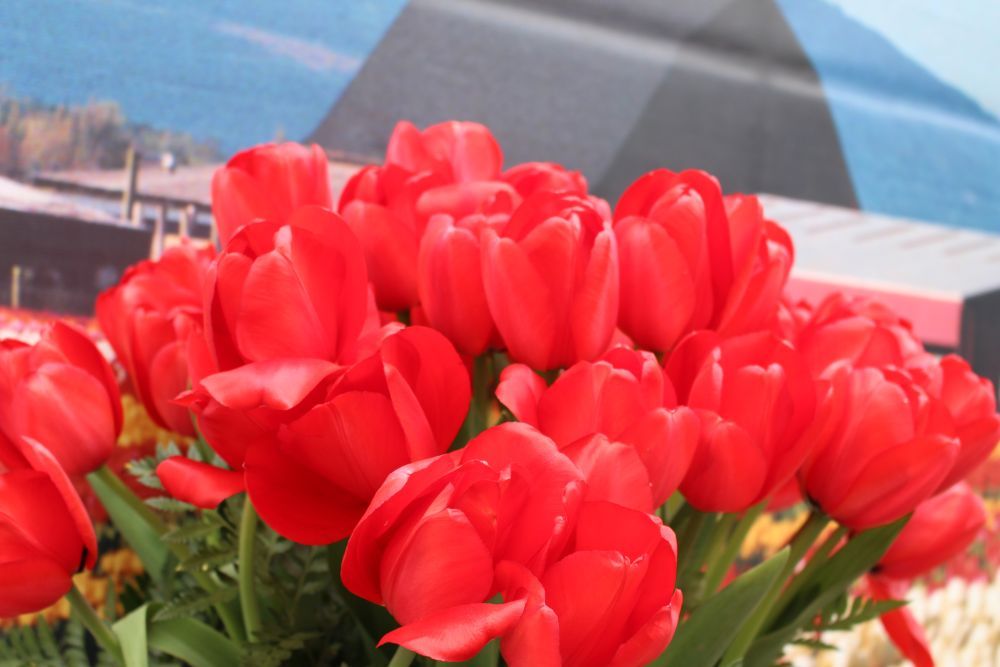
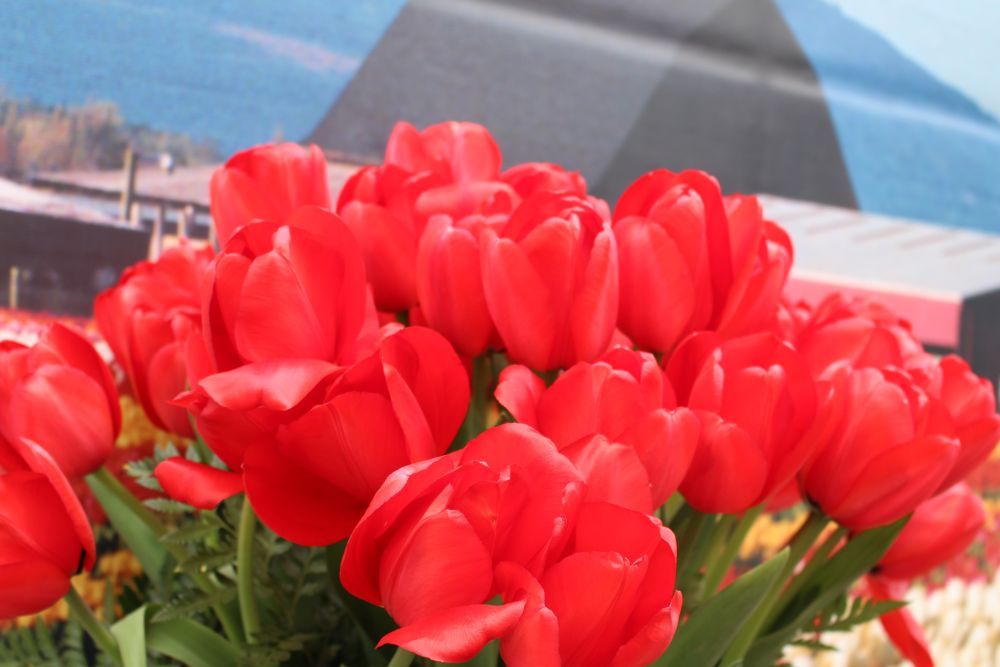
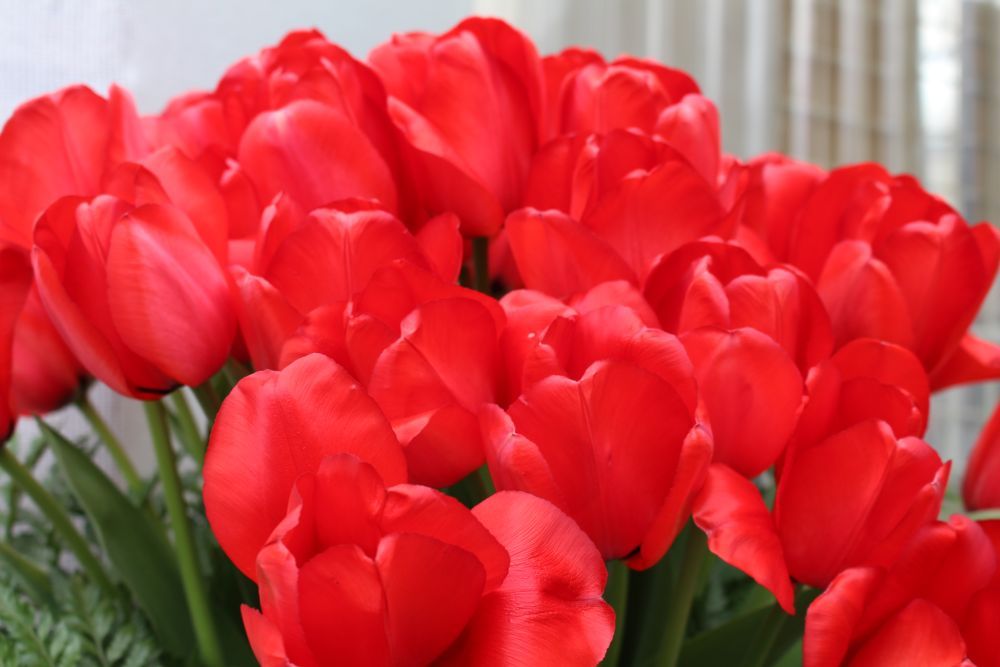
No flower makes a statement quite like a red tulip. Where other colours invite interpretation — pink suggests care, yellow suggests joy, white suggests peace — red leaves no room for ambiguity. It is the colour of the heart, and a red tulip says what a thousand words cannot.
Red tulips have meant love for as long as tulips have been cultivated. In Persian poetry, the red tulip was the flower of devotion, springing from the blood of a lover who died for the one he cherished. In the Ottoman Empire, gifting a red tulip was a declaration of love so clear that words were unnecessary. That tradition carried west into European romantic culture and has never lost its power.
Today, red tulips are one of the most gifted flowers on earth — chosen for Valentine's Day, anniversaries, new relationships, and every moment when love needs to be expressed with something as vivid and alive as the feeling itself.

Red tulips carry one of the most concentrated symbolic meanings in the entire floral world. Their message is direct, passionate, and has remained consistent across cultures and centuries.
Red tulips carry the same depth of romantic meaning as red roses — but offer something roses rarely achieve: modern elegance. Their clean lines and architectural beauty make them a more contemporary declaration of love, equally heartfelt but with an understated sophistication that roses, for all their beauty, sometimes lack.



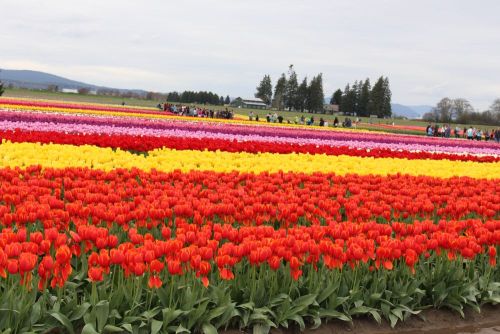
Red tulips in all their forms — from the darkest crimson to the brightest scarlet, each bloom a declaration of feeling.
Red is not one colour — it is a spectrum of feeling. Tulip breeders have explored the full range, from the palest blood orange through pure signal red to near-black burgundy. Each shade carries its own emotional character.
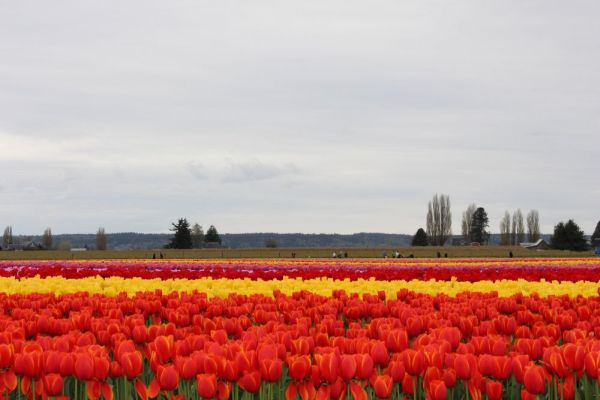
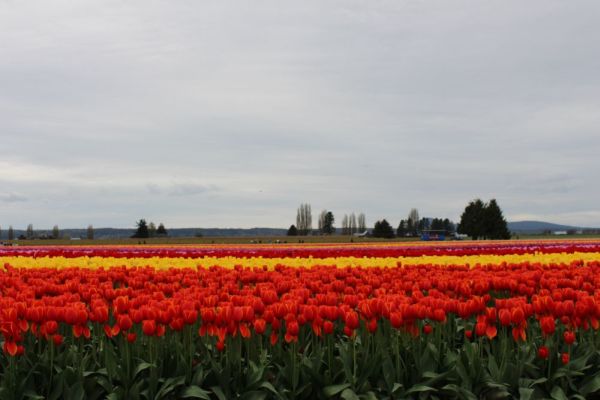

Scarlet, crimson, and true red — three distinct personalities within the red tulip world.
Red tulips are the flower for love — in all its forms and stages. From the first declaration to the deepest anniversary, they speak with unmistakable clarity.

Red is the most widely cultivated tulip colour — growers have produced extraordinary varieties across every tulip group. These are the standouts in each category.
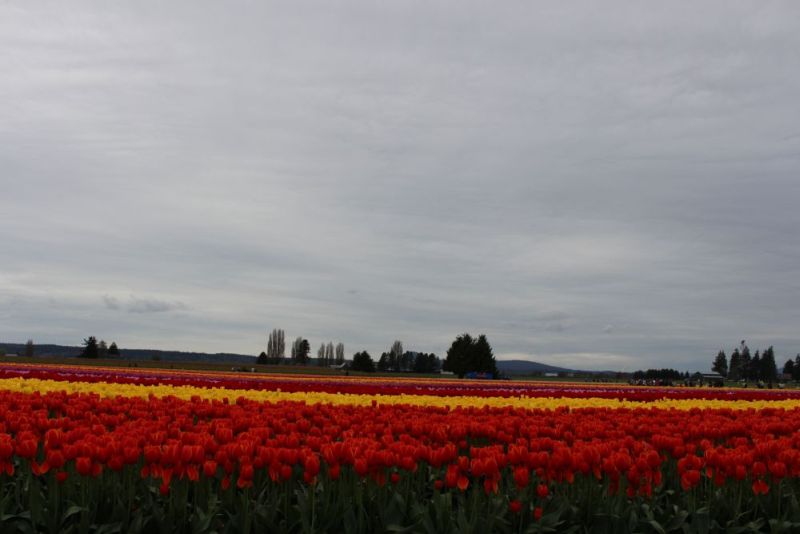
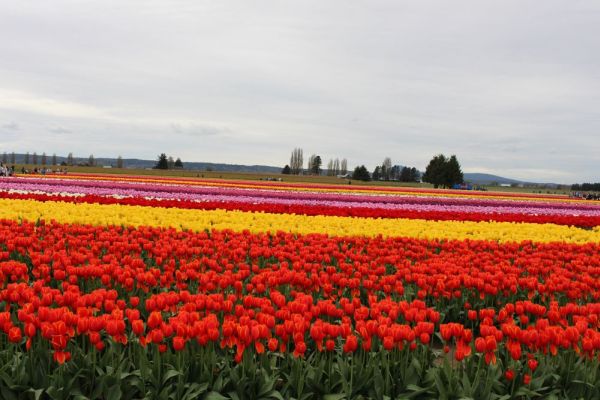
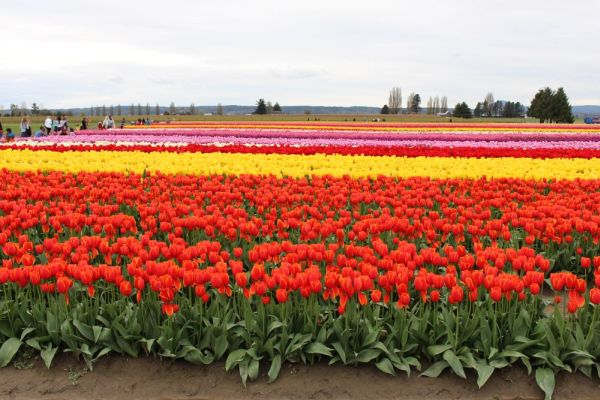
From wide-open blooms to tightly closed buds — red tulips are beautiful at every stage of their life.
Red tulips follow all the standard tulip growing fundamentals — but a few specifics help achieve the deepest, most saturated red colour and the strongest, most upright stems.
September–November, when soil cools to 50–55°F. Cold dormancy is essential — without it, red tulips will not reach their full colour or size.
Red varieties develop their most saturated, jewel-like colour in direct sun. Even partial shade noticeably mutes the red — choose your sunniest spot.
Red Darwin Hybrids produce impressively tall stems — proper depth prevents toppling and supports stem development in windy positions.
All tulips need well-drained soil, but red varieties — particularly the large-flowered Darwins — are especially prone to basal rot in wet conditions.
Red Apeldoorn and Red Impression are among the most reliable returning tulips — but only if you allow the foliage to fully die back before removing it.
Darwin Hybrid reds (Apeldoorn, Red Impression, Oxford) are the most reliably perennial red tulips. Plant in full sun with excellent drainage for returns over 5+ years.
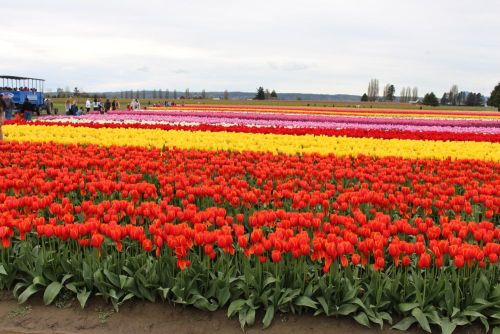
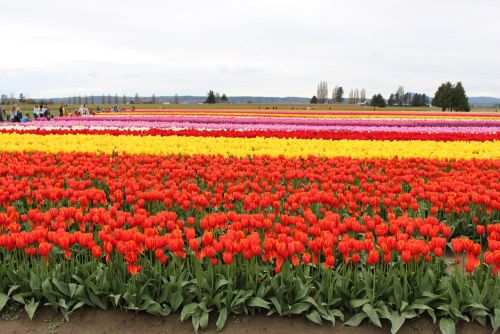
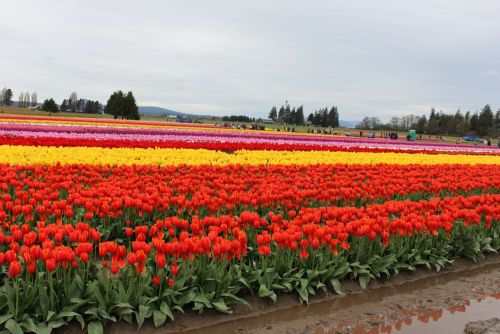

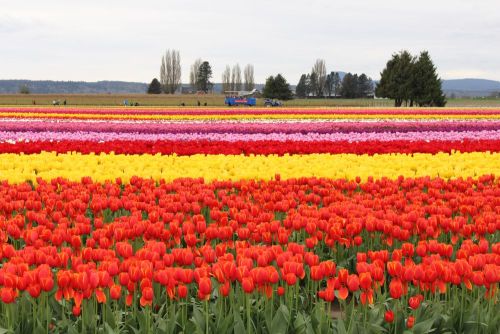
Red tulips in the garden, in the field, and in the festival — always the most arresting colour in any setting.
Red is one of the most powerful colours in any garden — its combinations need to be chosen with intention. These are the pairings that work most beautifully with red tulips.
The most classic contrast — crisp white amplifies red's intensity. Formal, dramatic, and always beautiful. Perfect for weddings and events.
Warm, energetic, and joyful — the combination echoes the tulip fields of the Netherlands. Fills any border with vibrant, optimistic energy.
Rich and romantic — deep red paired with warm pink creates a lush, passionate display. Works beautifully in cottage and cutting gardens.
Jewel-toned and opulent — this combination has extraordinary visual depth. The complementary warmth of red against cool purple is stunning in mass planting.
A monochromatic red planting — Lasting Love through Apeldoorn to Ile de France — creates an all-red border of extraordinary depth and drama.